

In the intricate world of estate planning, one concept reigns supreme – the trust triangle. This fundamental principle serves as the cornerstone of safeguarding assets and ensuring the protection of one’s legacy. At Morgan Legal Group, based in the bustling metropolis of New York City, we specialize in navigating this essential construct with unparalleled expertise. Join us as we delve into the depths of the trust triangle, unraveling its complexities and shedding light on its pivotal role in securing a prosperous future.
Understanding the Concept of Trust Triangle
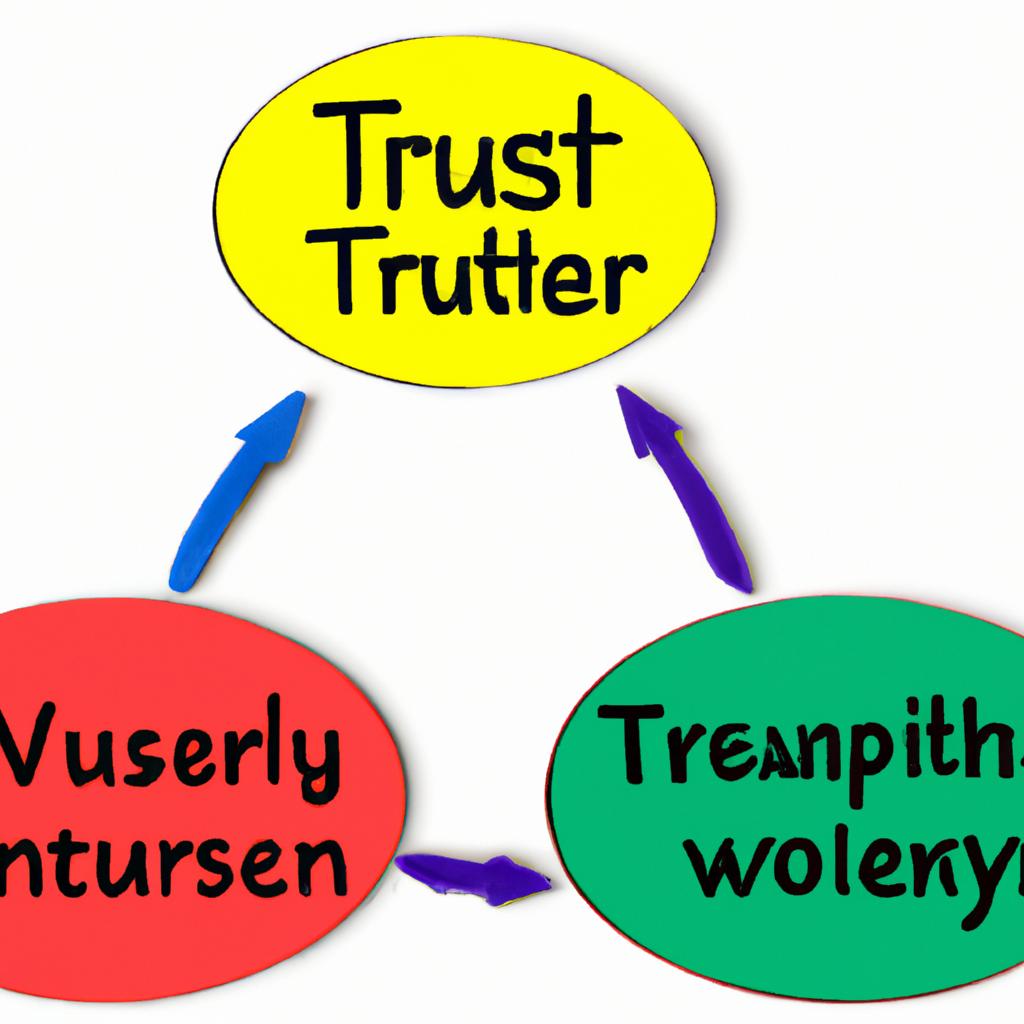
In the realm of estate planning and trusts, the concept of the Trust Triangle is essential to understand. The Trust Triangle consists of three key components that work together to ensure a successful and effective trust arrangement. These components include:
- Grantor: The individual who creates the trust and transfers assets into it.
- Trustee: The person or entity responsible for managing the trust assets and carrying out the terms of the trust.
- Beneficiary: The individual or individuals who will ultimately benefit from the assets held in the trust.
Each component of the Trust Triangle plays a crucial role in the trust arrangement. The grantor establishes the trust and determines the terms under which the assets will be distributed. The trustee is responsible for managing the trust assets in accordance with the grantor’s wishes and for ensuring that the beneficiaries receive their entitlements. Finally, the beneficiaries are the ultimate recipients of the trust assets and rely on both the grantor and the trustee to fulfill their obligations. By understanding the Trust Triangle and the roles of each component, individuals can ensure that their trust arrangement is structured in a way that meets their needs and objectives.
Key Components of the Trust Triangle
When it comes to establishing trust in any relationship, the trust triangle is a fundamental concept that must be understood. The three are consistency, credibility, and communication.
- Consistency: Consistency is the foundation of trust. Being consistent in your actions, words, and behavior builds trust over time.
- Credibility: Credibility is earned through honesty, integrity, and reliability. Establishing credibility is essential for trust to be formed.
- Communication: Effective communication is vital for trust to thrive. It involves active listening, transparency, and clarity in all interactions.
Building Trust through Communication and Transparency
Trust is a delicate balance that relies on effective communication and transparency. In the world of legal matters, building trust with clients is crucial for a successful attorney-client relationship. The trust triangle is a concept that illustrates the three key components of trust: consistency, honesty, and reliability.
Consistency is vital in building trust as it demonstrates a lawyer’s commitment to their clients. Being consistently available, responsive, and delivering on promises fosters trust. Honesty is the foundation of trust, as clients expect complete transparency from their attorney. Whether delivering bad news or difficult advice, honesty is always the best policy. Reliability is the final piece of the trust triangle, showing clients that they can depend on their lawyer to handle their legal matters competently and ethically.

Maintaining Trust through Accountability and Integrity
In the world of , understanding the trust triangle is essential. This concept involves three key components that work together to build and maintain trust in any relationship or transaction.
The trust triangle consists of reliability, credibility, and intimacy. Reliability refers to consistently delivering on promises and expectations. Credibility involves being honest, transparent, and dependable. Intimacy is about fostering a sense of connection, understanding, and empathy. By incorporating these three elements into your interactions and decision-making processes, you can strengthen trust and cultivate long-lasting relationships built on integrity and accountability.
Q&A
Q: What is the trust triangle and why is it important?
A: The trust triangle is a concept that highlights the three key components necessary for trust to exist and thrive in any relationship or organization. These components are credibility, reliability, and intimacy.
Q: How does credibility fit into the trust triangle?
A: Credibility refers to perceived trustworthiness based on competence, expertise, and honesty. Without credibility, it is difficult for trust to be established or maintained.
Q: What role does reliability play in the trust triangle?
A: Reliability involves consistently delivering on promises, commitments, and expectations. It is essential for building trust as it demonstrates dependability and accountability.
Q: How does intimacy factor into the trust triangle?
A: Intimacy refers to the level of emotional connection, understanding, and openness shared between individuals. It fosters trust by creating a sense of connection and empathy.
Q: Why is it important for all three components of the trust triangle to be present?
A: All three components work together to create a strong foundation of trust. Without one of these elements, trust is likely to be fragile or easily broken. By nurturing credibility, reliability, and intimacy, trust can be cultivated and maintained over time.
Closing Remarks
As we delve deeper into the concept of the trust triangle, it becomes clear that trust is a multifaceted and crucial element in any relationship, whether personal or professional. By understanding the three key components of credibility, reliability, and intimacy, we can begin to build strong and lasting connections with those around us. Remember, trust is not built overnight; it requires time, effort, and consistency. So let us embrace the trust triangle and nurture the trust within our relationships, for it is the foundation upon which all great things are built.
Have a question about your estate?
Talk it through with Russel Morgan — free 30-minute consult.